

Conveyancing in Berwick: what to check in heritage streets and newer estates
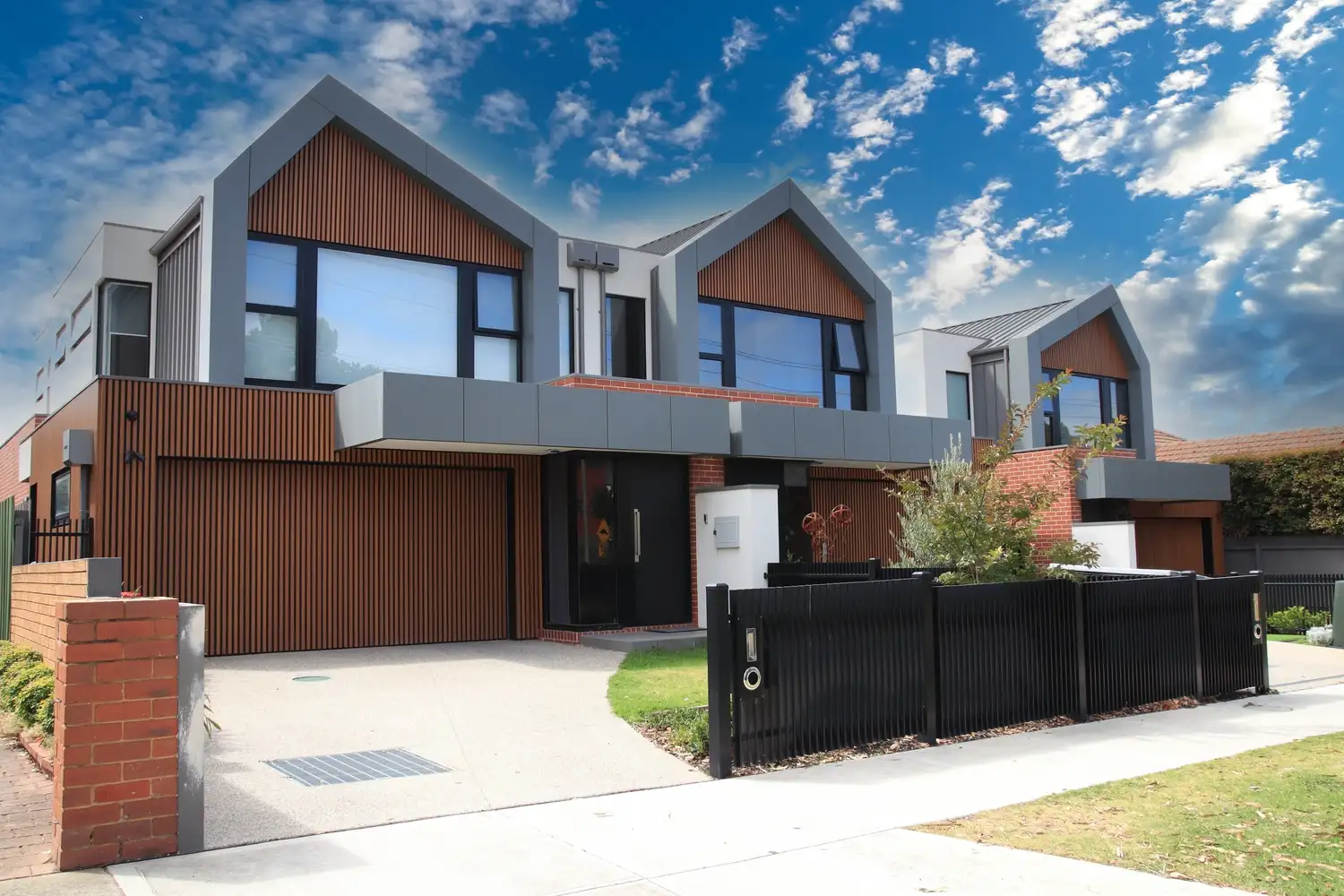
The house you’ve shortlisted is a weatherboard cottage on a quiet street off High Street, close to Wilson Botanic Park. The other is a four-bedroom new build in Berwick Waters, five minutes south, in a staged release that hasn’t fully titled yet. Both are “in Berwick.” Neither contract looks complicated on the face of it.
But conveyancing in Berwick isn’t one job. It’s two different jobs depending on which part of the suburb you’re buying in. The established streets around the village centre carry a heritage overlay and decades of planning history. The newer estates south and east carry body corporate structures, developer covenants, and staged titling that can catch first-time buyers off guard. A rushed contract review risks missing things that don’t appear on a standard search.
Here’s what a careful review should flag for a Berwick buyer, and where the two Berwicks diverge.
Heritage overlay considerations near Berwick Village
The Heritage Overlay is a planning tool under Clause 43.01 of the Victoria Planning Provisions, which sits within the statewide framework set by the Planning and Environment Act 1987. In Berwick, the overlay is applied through the Casey Planning Scheme to land that Casey Council has identified as having local or state heritage significance. The City of Casey Heritage Handbook records more than 180 places across the municipality as controlled under the Heritage Overlay, including three precincts, with three places on the Victorian Heritage Register.
What many buyers don’t realise is how broad the control is. If a property sits within the Heritage Overlay, a planning permit may be required to:
- demolish or remove any building on the site
- externally alter the building, including additions and verandahs
- construct a new fence, where the fence is specified in the overlay schedule
- externally paint a previously unpainted surface, or paint a surface where painting controls apply
- remove, destroy, or lop a tree, where tree controls apply
- subdivide the land
- build an outbuilding or carport
Some of these controls are switched on in the overlay schedule and some are not. That’s why the schedule number matters more than the fact of the overlay itself. A property within HO1 may have tree controls switched on. A property within HO113 may have fence controls. Checking the specific schedule is part of a proper conveyancing review.
The Heritage Overlay is sometimes confused with the Neighbourhood Character Overlay at Clause 43.05. The two are different tools with different purposes. The Heritage Overlay protects places of recognised heritage significance. The Neighbourhood Character Overlay identifies areas of existing or preferred character, such as streetscape patterns or building styles the council wants to respect in future development. A property can be in one, both, or neither. If a buyer is planning to renovate or extend, knowing which applies changes what the council will assess their plans against.
The Berwick Village Structure Plan and what it means for buyers
Berwick Village is one of five established Major Activity Centres identified by the City of Casey. Its growth is guided by the Berwick Village Structure Plan, a strategic planning document that sets the framework for how the centre will change over the next 15 to 20 years.
The current plan was adopted by Council in 2011. A refreshed Draft Berwick Village Major Activity Centre Structure Plan was endorsed for public consultation in May 2025, with community feedback closing in July. Casey Council officers have confirmed the final version is expected to be presented to Council for adoption at the March 2026 Council meeting, alongside a request for authorisation of the associated planning scheme amendment. The refreshed plan covers properties along High Street, Clyde Road, Lyall Road, Gloucester Avenue, Evan Street, Margaret Street, Reserve Street, Peel Street, and Wheeler Street, and organises the area into five precincts.
Why does this matter to a buyer? Two reasons.
If the property sits within the activity centre boundary, the structure plan influences what the land can be used for in future, how tall new buildings around it can go, and where redevelopment is being encouraged. A property bought with redevelopment potential in mind may be worth more or less depending on the precinct it falls into.
If the property sits near the activity centre but outside it, the structure plan tells the buyer what’s likely to change around them in the next decade, including shopfronts, streetscapes, building heights, and traffic patterns. Many buyers in the established Berwick streets care more about what’s coming next door than what’s possible on their own block.
The draft plan and supporting documents are publicly available through Casey Conversations. For a buyer in or adjacent to the village centre, a half-hour read before signing is worth the time.
Newer estate checks: Berwick Waters, Minta and the growth areas
South of the Princes Highway, around Clyde Road and O’Shea Road, Berwick becomes a different buying experience. Estates such as Berwick Waters in Clyde North, Minta Farm in Berwick, and the newer Berwick South releases operate under developer structures that don’t apply to established streets.
For buyers in these estates, the conveyancing review should pay close attention to several things.
- Staged titling. Many lots are sold before title has issued. Settlement depends on the plan of subdivision being registered. Delays of six to eighteen months from the contract date are not unusual. Some sunset clauses give the developer the right to end the contract if title doesn’t issue by a specified date, and the terms of those clauses matter more than buyers typically realise.
- Restrictive covenants and design guidelines. Many of these estates include design guidelines covering house style, materials, fencing, landscaping, driveways, and colour palettes. These are enforceable for a set period under the contract of sale. A plan to build a second storey, install a flat metal fence, or paint the front in a non-approved colour can run into a rejection that wasn’t obvious at contract signing.
- Owners corporation arrangements. Many townhouse developments and some land estates include an owners corporation with annual fees, rules, and financial obligations. The owners corporation certificate and records form part of the Section 32 and should be read, not skimmed.
- Easements for drainage, services, and shared access. Growth-area lots are often subject to easements that restrict what can be built where. No pools over the drainage easement. No structures within the utility easement. No fencing across a shared access easement. These constraints aren’t always highlighted on the sale plans.
- Contract special conditions. Off-the-plan contracts can include developer-favourable clauses that modify standard cooling-off rights, allow design changes after contract, or permit small variations to lot boundaries. These are not boilerplate and should be negotiated or accepted with full awareness.

What a Section 32 should reveal in a Berwick context
A Section 32 (vendor’s statement) under the Sale of Land Act 1962 (Vic) contains the mandatory disclosures a seller must make before contract. Our separate explainer covers the Section 32 in general. In a Berwick context, the statement should specifically reveal:
- whether the property is affected by the Heritage Overlay or Neighbourhood Character Overlay, and the schedule number
- whether the property falls within the Berwick Village Major Activity Centre boundary
- any easements or restrictive covenants affecting the title
- the owners corporation certificate, rules, insurance, and financial statements, if an OC applies
- any notices from Casey Council, including building or works orders
- zoning and any particular provisions that apply under the Casey Planning Scheme
Under Section 32K of the Sale of Land Act, a purchaser may in some circumstances rescind the contract if the vendor’s statement contains false information or omits required information. Whether that remedy is available depends on the specific circumstances, and it’s a conversation to have with your conveyancer, not with the selling agent.

When to slow the process down
Some Berwick purchases benefit from more time before signing. Situations where a buyer should be particularly careful not to rush:
- the property sits within the Heritage Overlay and the buyer has renovation plans
- the property is within or adjacent to the Berwick Village activity centre and future development around it matters to the buyer
- the contract is off-the-plan with an unregistered plan of subdivision
- the Section 32 references an owners corporation but the full records are not attached
- the contract contains special conditions drafted in favour of the developer
- the property was offered at auction, or sold within three clear business days before or after a publicly advertised auction, which means the Section 31 cooling-off period doesn’t apply
In each of these cases, a pre-signing contract review is worth the cost of asking the agent for 48 hours.
Before signing any Berwick contract, there’s one document worth asking for that most buyers don’t: the Casey Council property report for the specific address. It’s a free council document that summarises the zoning, the overlays, and the planning controls that apply to the land. Two pages will tell you more about what you can and can’t do with the property than 40 pages of marketing material. If the agent hesitates, your conveyancer can pull one.
At Conveyancing Today we offer a fixed-fee Berwick contract review with a three business day turnaround. If you’ve been handed a contract and you’re not sure what you’re looking at, make the call before you sign.